
Don’t let your mentality lose to the rules! Cross the 4 major psychological blind spots and achieve steady progress from assessment to profit sharing
- 2026年5月25日
- Posted by: Eagletrader
- Category: News
In the field of proprietary trading, what determines whether you can survive in the long term is not only the accuracy of technical analysis, but also the strength of your psychological defense.
Many times, trading failure is not due to a defect in the strategy, but due to the trader’s self-emotional loss of control and cognitive bias. For prop traders, this psychological challenge is amplified by exam rules. In the face of market uncertainty, you must learn how to place your fear and greed.
Next, EagleTrader will deeply dismantle the psychological blind spots of proprietary trading, help you reshape your mentality and pass the level steadily!

The psychological challenges of proprietary trading
Unlike individual trading, the rules under the proprietary trading system will create unique psychological pressures, which can easily directly affect your decision-making and performance.
1. Tension caused by assessment rules
The existence of assessment rules can easily make some traders feel nervous when facing market fluctuations. Even small losses may be amplified by account rules. This psychological pressure can cause traders to overtrade, take profits early, or act impulsively in the short term.
2. Survival anxiety about losses
Loss is an inherent part of trading, but in a proprietary trading environment, it can easily make traders feel that the security of their accounts is threatened, and they may even lose their trading qualifications. This kind of “survival anxiety” can cause traders to equate losses with personal failure, and then refuse to execute stop losses, dare not open positions for fear of making mistakes, or fall into “analysis paralysis.”

3. The overconfidence trap after a winning streak
A winning streak is more dangerous than a losing streak. When you make continuous profits, the secretion of dopamine gives you the illusion that “I can beat the market.” It is easy to expand positions, ignore stop losses, and even deviate from the proven trading system. As some profit-sharing traders said frankly: “It is easy to place orders at will when you make a lot of profits. This is a fatal shortcoming in trading.”
4. Anxiety waiting for opportunities
The market is volatile most of the time, and opportunities with high winning rates are scarce. However, the self-operated assessment targets will make traders eager to “pass” and unable to bear the wait for short positions. In the end,Forcibly trading in low-quality opportunities consumes account funds and increases psychological pressure.
Decoding traders’ irrational behavior
Research in behavioral finance reveals the inherent flaws of the human brain in financial decision-making. These cognitive biases are the common enemy of all traders:
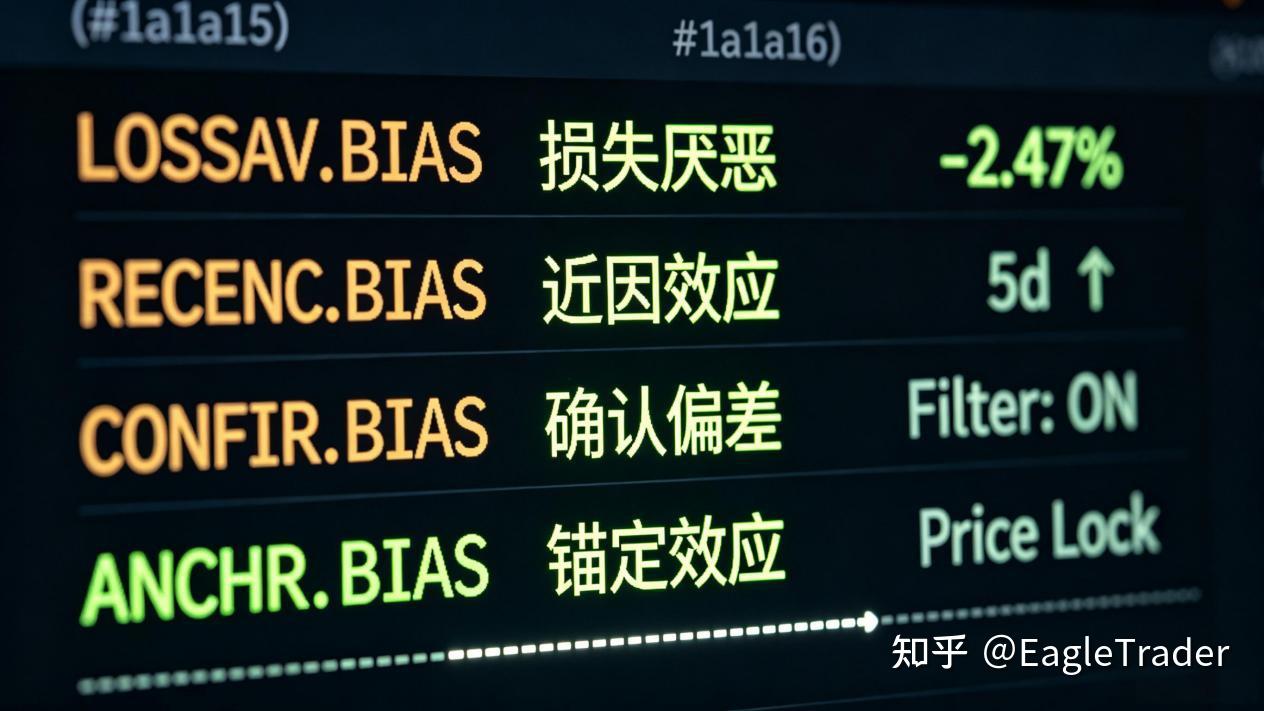
Loss aversion: Traders feel the pain of losses far greater than the joy of profits. This explains why cutting losses is so difficult. Recency effect: Recent results have a disproportionate influence on decisions. A big win would be a huge confidence boost, while a recent defeat could cause action to stall. Confirmation Bias: Traders tend to look for information that confirms their beliefs and ignore evidence that contradicts their beliefs. Anchoring effect: Over-reliance on initially obtained information (such as entry price) while ignoring changes that have occurred in the market. Understanding these biases will not eliminate them, but awareness is the first step to change. When you can recognize that you are falling into a cognitive trap, you have taken control.
Seven strategies for psychological management of proprietary trading
1. Develop and absolutely trust your trading plan
The trading plan is the anchor in the market storm. A complete plan should include clear entry conditions, clear exit rules (stop loss, take profit, trailing stop loss strategy), precise position calculation (single risk 1%-2%) and daily maximum risk limit (stop trading if you lose 3% in a single day).
2. Distinguish between self-worth and trading results
Loss does not mean failure, and profit does not mean talent. A truly professional trader measures discipline and execution, not individual profits and losses. Ask yourself two questions after each transaction: Did I fully implement the plan? Did I strictly abide by the risk rules? If the answer is yes, regardless of profit or loss, you have completed a successful transaction.
3. Use risk management as a psychological barrier
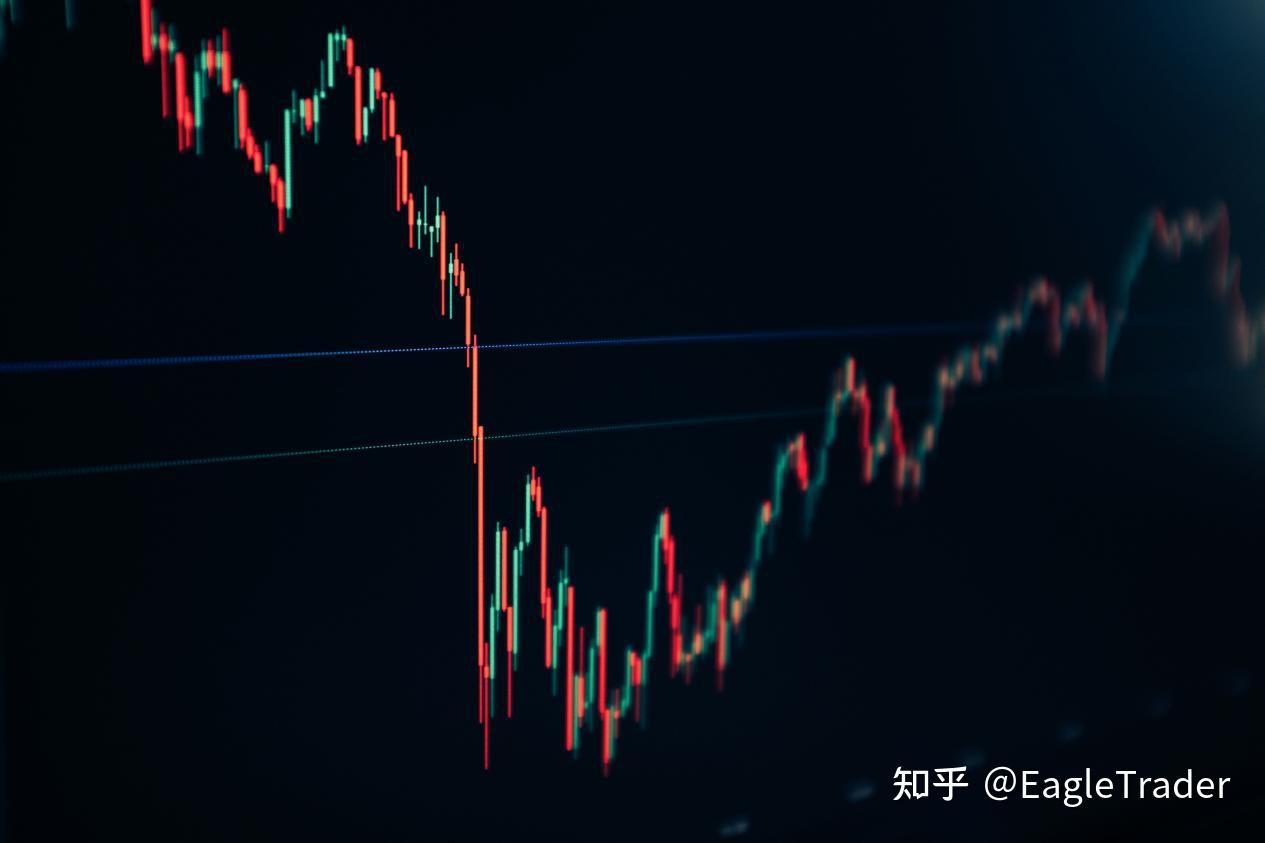
Risk management not only protects account funds, but also protects your trading mentality. When you clearly set a bottom line, such as a single loss not exceeding 1% and a single day loss not exceeding 3%, then you are mentally prepared for the worst outcome. This will not only keep you calm when facing a single loss, but also completely eliminate the risk of losing money.No retaliatory transactions.
4. Establish standardized pre- and post-trade processes
Elite athletes rely on fixed processes to maintain stable performance, and traders also need them. 15 minutes before the transaction, review the plan, analyze the market structure, check the economic data and adjust your mentality; 10 minutes after the transaction, record the transaction details, write down the emotional state, evaluate the execution situation and summarize the experience. Standardized processes can switch the brain from “decision-making mode” to “execution mode” and reduce emotional interference.
5. Train the ability to regulate immediate emotions
Panic or impulse often occurs within a few seconds. Mastering the 4-7-8 breathing method (inhale for 4 seconds, hold your breath for 7 seconds, exhale for 8 seconds, repeat 3 times) can quickly reduce your heart rate; when you lose control of your emotions, immediately close the software and leave the screen to give your brain buffer time. Mindfulness meditation for 10 minutes a day can also help you become more aware of your emotions and improve your control.
6. Manage reasonable profit expectations
Unrealistic doubling dreams can lead to frustration and overtrading. Mature traders understand that a stable income of 5%-10% per month is excellent. The power of compound interest comes from continued execution, not short-term huge profits. Slow and steady growth, keeping mentality consistent with professional standards.
7. Focus on the process, not the results
The market is uncontrollable, and profits and losses are unpredictable. What traders can control is their own behavior: whether they follow the plan, whether they manage risk, and whether they maintain discipline. As trading master Mark Douglas said: “The essence of trading is to make the right decision. Money is just a by-product.”
Proprietary trading is a long practice that tests not only intelligence, but also character. Technology can be learned and strategies can be copied, but a strong mentality can only be honed through actual combat and reflection.
Remember, the market will never defeat you, the only one who can defeat you is yourself. When you can truly control your emotions and behaviors, you are already at the top of the trading pyramid.