
EagleTrader Insights | Is trading suitable as a side job? How can office workers start trading?
- 2026年9月10日
- Posted by: Eagletrader
- Category: News
For most office workers, working hard seems to have become increasingly difficult to meet the increasing living expenses.
Between rent, mortgage, daily consumption, and household expenses, it is difficult for many people to have enough funds simply by relying on a salary.
Therefore, finding a side job has gradually become a way for many migrant workers to increase their income and explore more possibilities.
Some people choose to work in self-media, some use their off-duty time to take orders, and some start to pay attention to transactions.
Especially after being exposed to the stock, gold, currency and other markets, many people will have an idea: If they can use their time after get off work to learn trading and establish their own trading methods, can they also treat trading as a side job?
The answer is yes, but only if you understand the “trading side hustle” thing correctly.

Is trading suitable as a side job?
Judging from the timing, trading does have the conditions to become a side job.
Many traditional side businesses require a fixed investment of time, such as running takeaways, taking design orders, or running an online store. The amount of time invested often determines how much income can be obtained.
Trading is not quite the same.
It places more emphasis on strategy, discipline and risk management, and does not mean you have to spend hours every day watching the market.
For office workers with fixed jobs, they can use their time after get off work to conduct market analysis, formulate trading plans, and then execute them according to preset rules.
But there is a very important premise here:
Don’t understand trading as “taking another job after get off work.”
If you still secretly watch the market every day when you go to work, and continue to watch the market for a long time after get off work, trading will not become a side job, but may affect your main business and normal life.
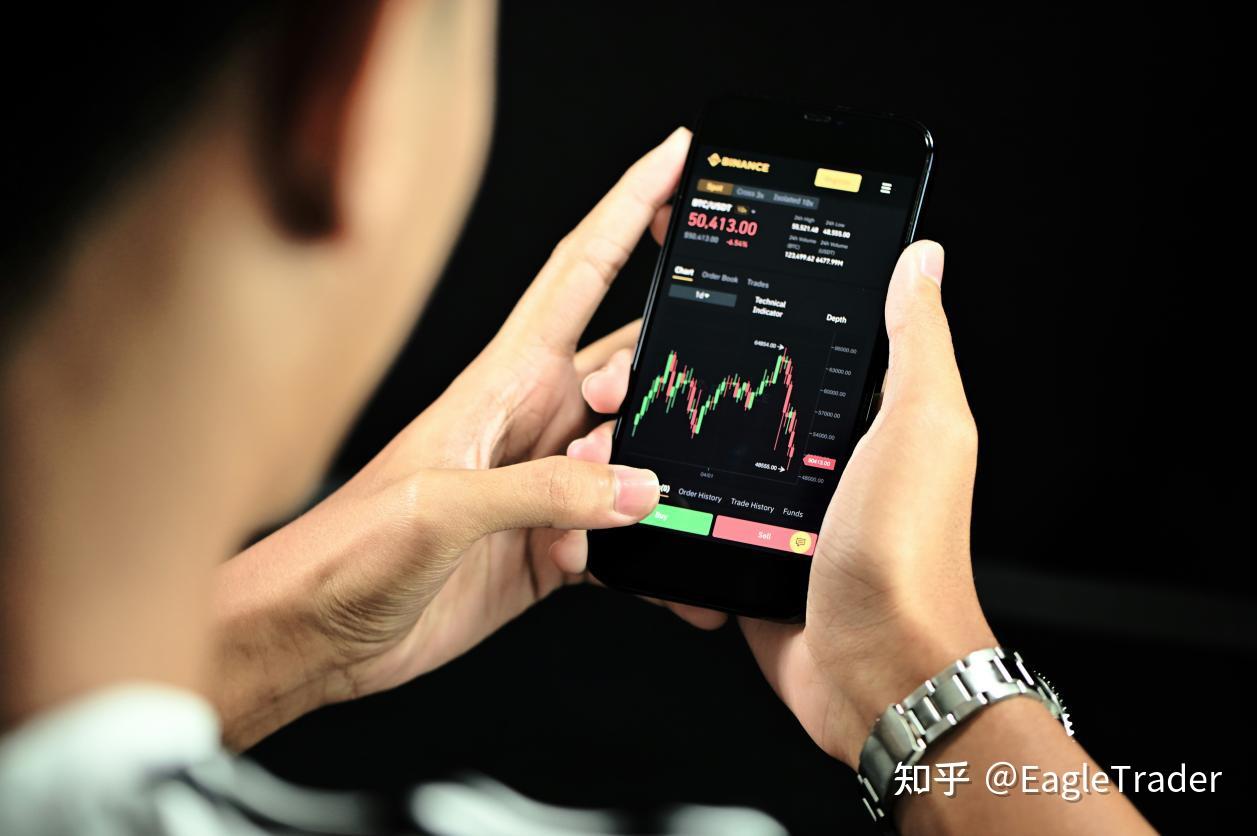
A more reasonable way is to adapt trading to your own pace of life.
For example, analyze the market before going to work or after get off work, and set up trading plans in advance;
Strictly implement stop loss, take profit and position management during the transaction process;
Review your trading records at the weekend.
The purpose of this is not to pursue profits every day, but to gradually establish a trading system that can be executed in the long term.
And for those who are new to trading, there is another advantage – the main business itself is your source of cash flow.
You don’t need to rely on trading to pay your rent and living expenses immediately, and you don’t need to frequently change your trading strategy due to short-term profits and losses.
Therefore, trading can become a side job, but it is better to think of it as an ability that requires long-term learning and verification, rather than a shortcut to quickly increase income.
If you are new to trading, the first step is not to rush to make money.
When many novices first come into contact with trading, their first reaction is to study “how to make money.”
Which strategy has the highest return? Which product has the highest volatility? Can you make hundreds or even thousands of dollars a day?
But after they actually start trading, many people will find that the most difficult part of trading is not finding a profit opportunity, but being able to still execute according to your own rules after continuous profits or losses.
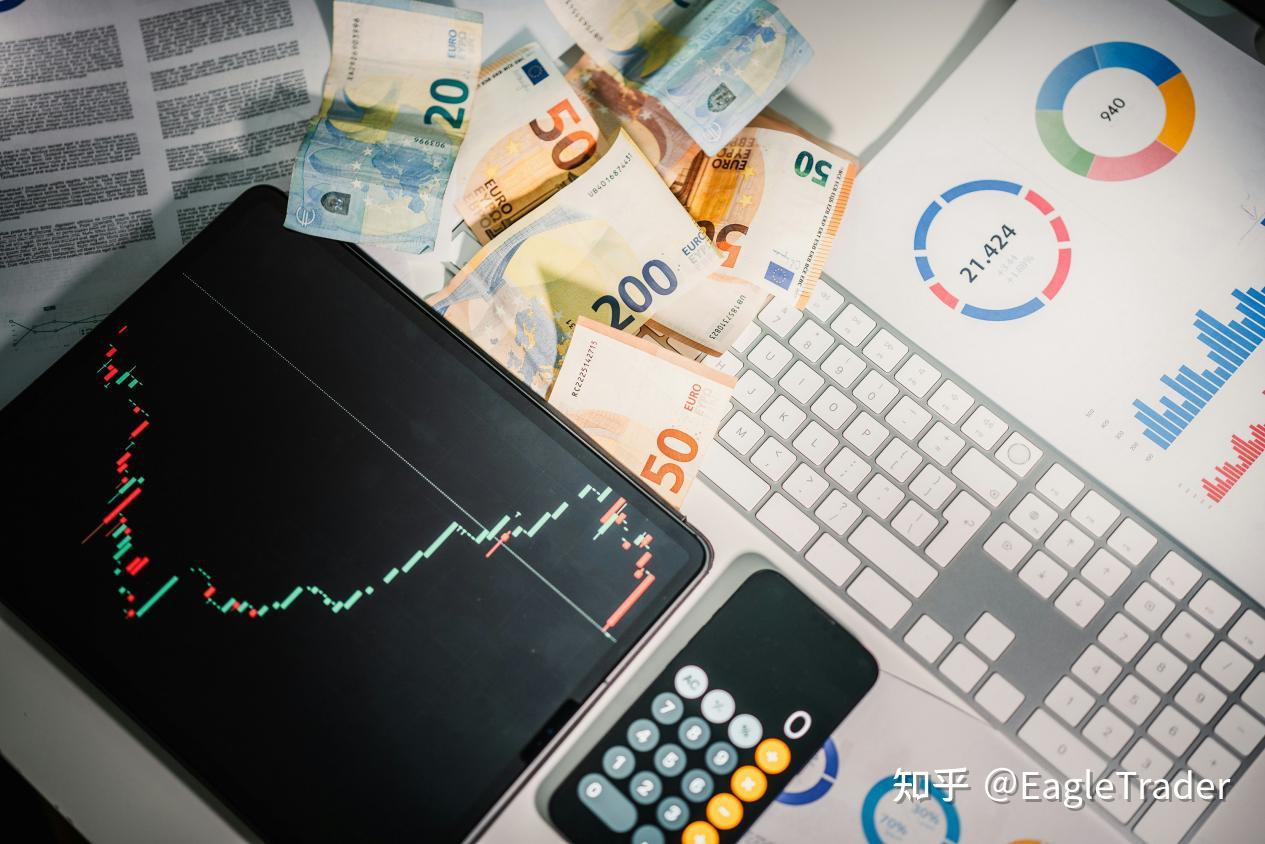
Therefore, when you first start trading, it is best not to directly set your goal on “how much money you make.”
You can start from three aspects.
First, understand the basic rules of the market.
At least know what the trading varieties are, why prices fluctuate, what leverage and margin mean, and the basic concepts of stop loss, position, and maximum drawdown.
Second, create your own trading plan.
Don’t chase the market when it rises, or chase the market when it falls.Before trading, you should make it clear under what circumstances you will enter the market, when you will leave the market, and the maximum loss you can endure in one transaction.
Third, know yourself through transaction records.
Record the reasons, consequences, and emotions of each trade.After persisting for a period of time, you will find that your real problem may not be “not being able to analyze the market”, but frequent trading, adding positions after losses, not having a stop loss, or being unable to stick to your own rules.
This is why many people believe that what trading really needs to cultivate is not the ability to “predict the market”, but the ability to stably execute a trading plan.
How can a novice get started without real trading experience?
If you use your own funds to enter the real market from the beginning, novices need to face two pressures at the same time: learning to trade while bearing real capital losses.
When there is a loss in the account, it is easy to switch from “learning to trade” to “finding ways to make back the loss.”Once this kind of mentality arises, the original trading plan can easily be disrupted by emotions.
Therefore, for novices who have no trading experience at all, instead of taking higher financial risks from the beginning, it is better to first find a lower-cost way to experience trading.
This is one of the reasons why the proprietary trading model has attracted the attention of some traders in recent years.
To put it simply, proprietary trading usually simulates the financial environment and allows traders to operate according to clear trading rules.
Traders do not need to put up a large amount of principal at the beginning to bear market fluctuations, but rather verify their strategies, risk control and execution capabilities through the trading process.
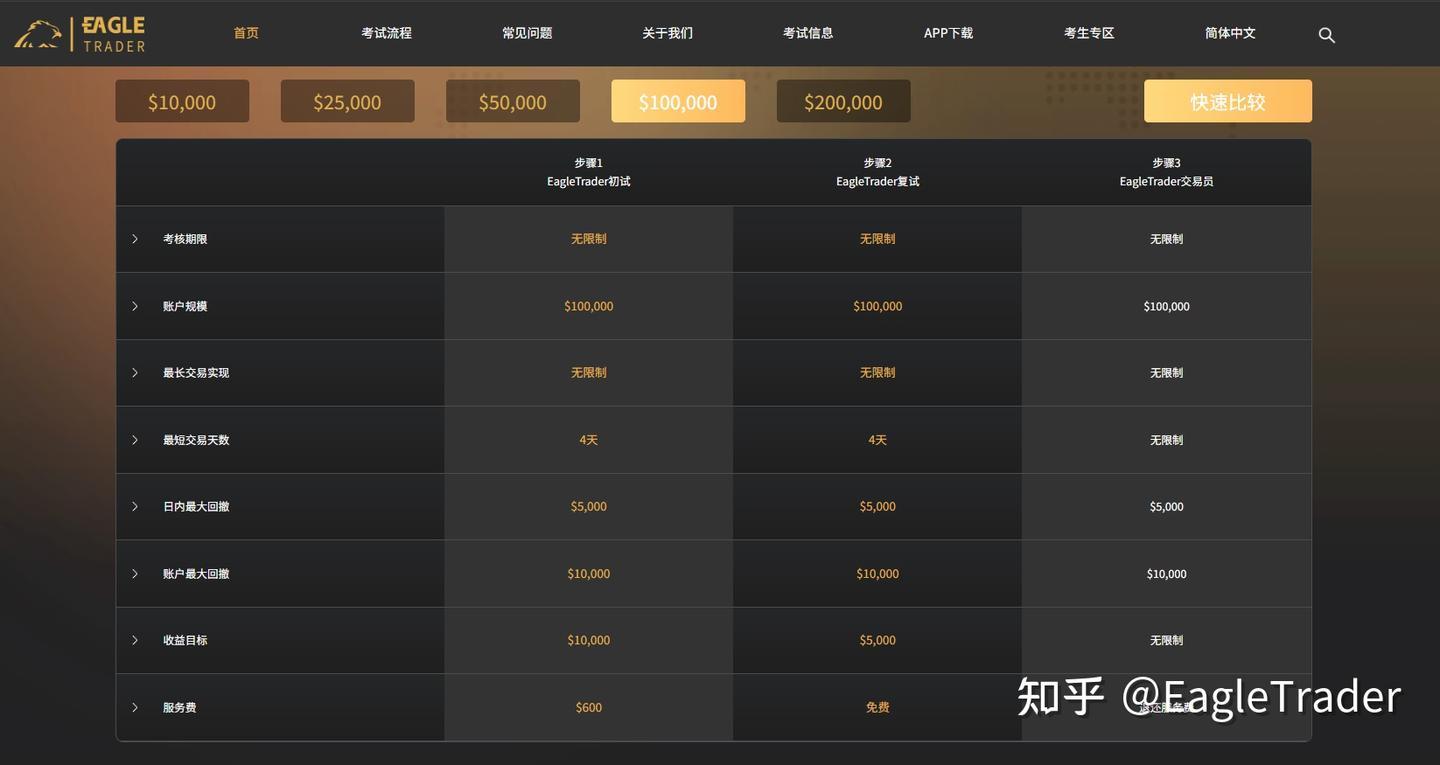
For novices, the biggest significance of this method is not to “make money with zero risk”, but to let yourself enter the trading environment first, and then judge whether you are suitable for trading.
Proprietary trading may be a way for novices to learn about trading
If you really want to treat trading as a side job, you can first adjust the goal of the first stage from “how much money to make” to:
Can I establish a stable and executable trading method?
Take proprietary trading platforms such as EagleTrader as an example. Traders can participate in assessments through simulated trading environments, conduct strategic transactions in an environment that replicates real market conditions, and manage accounts in accordance with the risk rules set by the platform.
Compared with directly investing a large amount of money into the real market, this method has relatively lower initial financial pressure for those who are new to trading.
More importantly, it doesn’t just let you “simulate and play”.
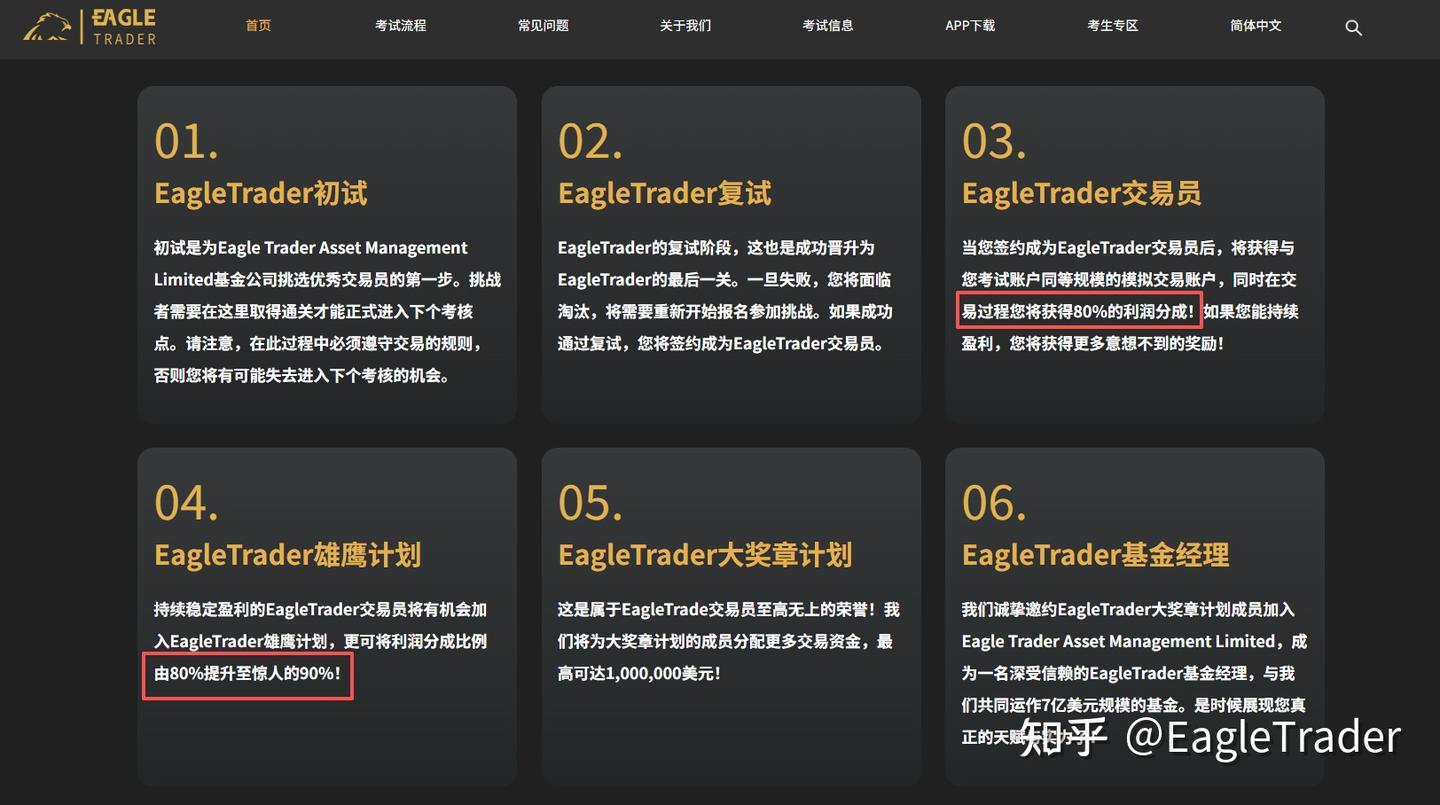
When traders meet the corresponding trading requirements, they can also obtain corresponding profit sharing according to platform rules. For example, EagleTrader can share up to 90% of profits.
In other words, simulated trading can not only be a way for novices to familiarize themselves with the market and verify strategies, but also provide a path from learning trading → verifying abilities → obtaining profits.
Of course, this does not mean that you will definitely be able to make a profit by participating in proprietary trading.
There is uncertainty in the market itself, and no trading model can guarantee returns.
For novices, what really deserves attention is whether the rules of the platform are transparent, whether the risk limits are clear, and whether they can maintain stable execution during the transaction process.
For office workers, the biggest attraction of trading may not be how much money it can make you make in a short period of time, but that it provides a possibility that is different from traditional side jobs.
But this possibility needs to be based on learning, strategy and risk control.
If you are new to trading, instead of just thinking about changing your income through trading, it is better to give yourself a low-cost trial and error stage first.