
ET trader Zhou Ziying: More important than pursuing high profits is to get rid of fluke and heavy positions
- 2026年10月30日
- Posted by: Eagletrader
- Category: News
In the eyes of many people, full-time trading is a profession with its own halo – free time, never leaving home, and as long as you can make a difference in the market, your income will be considerable.
But only when you actually sit in front of the computer and face the crazy beating K-line chart, you will understand: trading is never an easy journey, but a years-long endless physical battle with your own inner weaknesses.
Recently, EagleTrader had an in-depth conversation with full-time trader Zhou Ziying.
After entering the industry for just a few months, and experiencing the frustration of a simulated assessment and a liquidated position, this young trader has a sobriety and restraint that far exceeds that of his peers.
Today, let us step into Zhou Ziying’s trading world and listen to her story of transformation from “crossing the river by feeling for the stones” to “understanding the consistency”.

1. Hitting the wall and awakening: “Why did I overturn my strategy a month ago?”
When I first met Zhou Ziying, she was in the exploratory period of full-time trading.
I have sporadically participated in simulated trading assessments of several companies, and I have been exposed to this aspect of trading for only 5 months.

Like many newcomers, she was pushed away by market fluctuations and even experienced several liquidations.
“To be honest, I wasn’t too sad when my position was liquidated because it didn’t involve real interests. It was more of a deep disappointment and self-doubt.” Zhou Ziying said frankly.
But the real turning point happened a month ago.
At that time, she was facing the dilemma of failing to retake the exam many times in a row.
The anxiety under high pressure made her realize that she was trapped in an endless loop: the more eager she was to pass the exam, the easier it was to make rash advances, which in turn led to greater retracements.
“That failure made me stop completely and review the trading.” Zhou Ziying decided to make a drastic change to her trading strategy.
The core logic of the future has only eight words: reduce frequency and reduce aggressiveness.
“The market won’t tolerate your impatience.
When you learn to resist the urge to place an order, you really start to get started.”
2. Establish a line of defense: Technology accounts for 45%, but it is iron law that saves lives
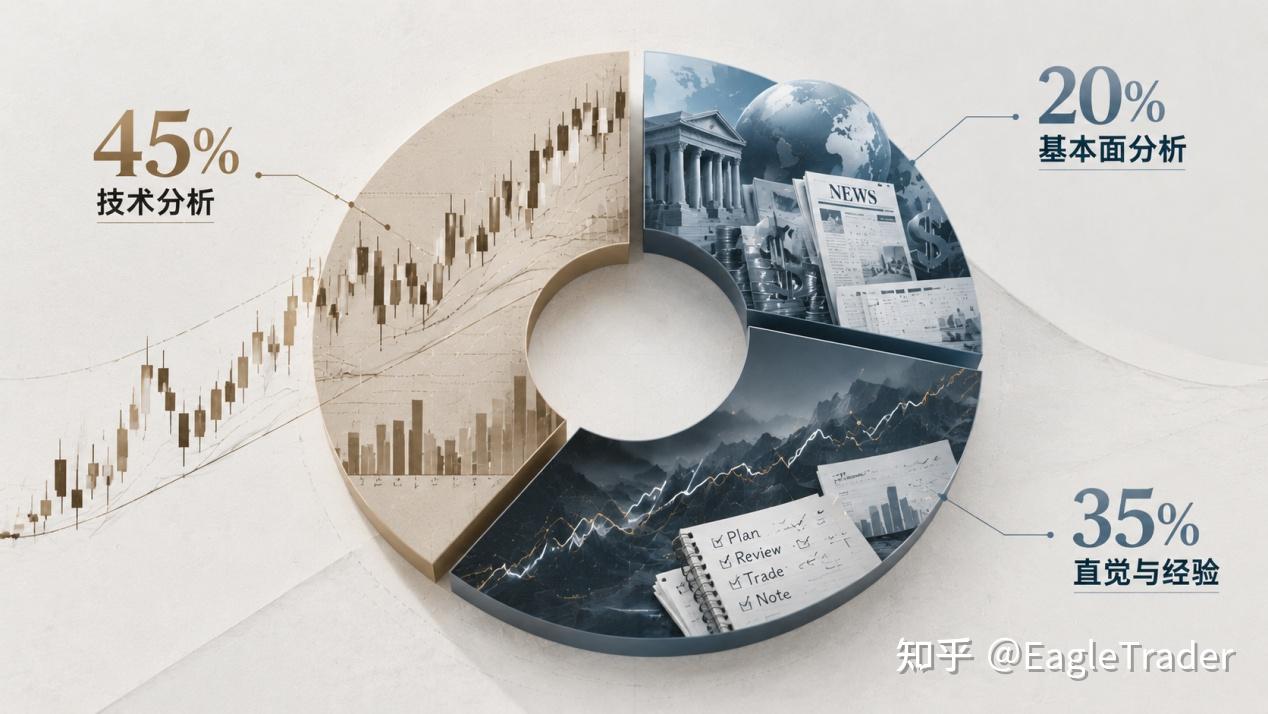
When talking about specific trading decisions, Zhou Ziying gave a very clear breakdown of the numbers:
Technical analysis accounts for 45%: this is the basis for settling down; intuition and experience account for 35%: this is the market feeling accumulated in countless times of watching the market; fundamental analysis accounts for 20%: used to grasp the macro trend and prevent black swans.
However, what really makes an account survive the storm is not a certain accurate technical prediction, but the iron law of risk control engraved in the bones.
In Zhou Ziying’s trading dictionary, there are two red lines that must not be touched:
Strict profit-loss ratio and unconditional stop loss: She strictly controls the profit-loss ratio at 2:1 or 3:1. As long as the stop-loss point is triggered, she will execute it unconditionally.
Strict crisis management mechanism: If a certain position worsens and encounters an unexpected loss, she will never take any chances and bear it.
“I will first reduce the position by half and set the maximum tolerable stop loss on the remaining positions.
If the subsequent rebound just offsets the loss, close the position decisively; if the stop loss is triggered directly, stop immediately on the same day, completely turn off the software and review the market, and never trade twice on the same day.”
At the same time, in order to completely eliminate the fluctuations caused by luck, she set strict rules for herself: all transactions must be standardized, have fixed entry and exit logic, and be absolutely short and wait and see before and after the release of major macro events half an hour later.
3. Talking about the market and retracements: I love the “comfort zone” of medium fluctuations.
When talking about her understanding of the market, Zhou Ziying showed her unique side.
She doesn’t like the silence of a stagnant pool of water, and she also remains in awe of extreme market conditions that can easily make people’s hearts tremble.
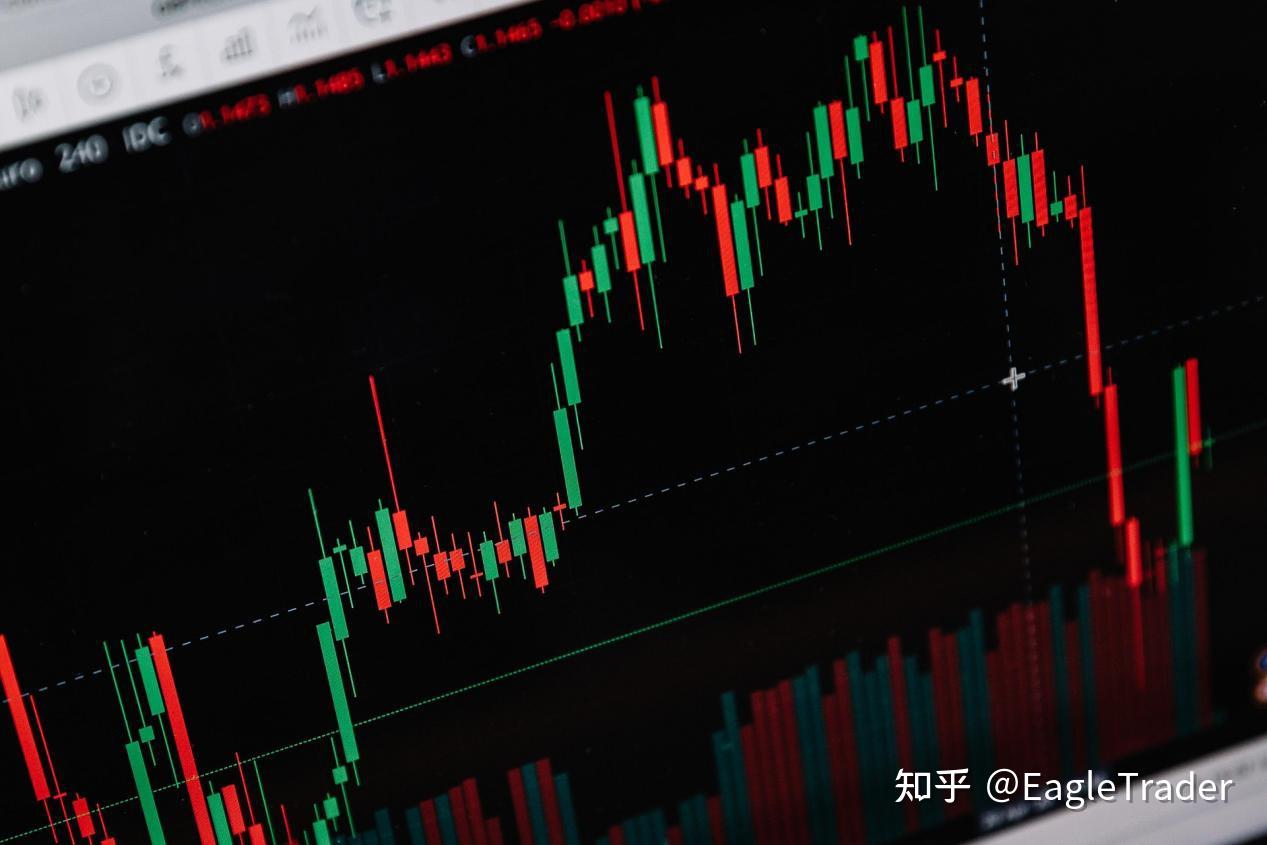
“What I like best is a market with moderate volatility,” she said with a smile. “There is enough profit margin, the trend is clean and smooth, and it doesn’t make people nervous.” In her eyes, volatility is essentially the collective externalization of the emotions of market participants under the interweaving of multiple macro factors.
When asked “How much risk does each trade take on average?” her answer was surprisingly candid: “If the total risk is 100 points, I take up 40% of the risk on average each time.”
But then she added, “Although the risk ratio of a single transaction is not low, after my maximum drawdown occurs, based on experience, I can usually return to the highest net worth within one hour through subsequent compliance operations – provided that you must not let your emotions completely get out of hand.”
4. What is transaction consistency?
At the end of the interview, we talked about two words that many traders talk about but find it difficult to achieve – consistency.
In Zhou Ziying’s view, consistency is not a metaphysics, but a norm that can be followed:
With a fixed profit-loss ratio, the amount of each profit and the amount of loss are almost the same; the cumulative profit and loss of closed positions on each trading day must be strictly controlled within a fixed range.
“When your strategy deviates, don’t rush to blame the market. Do some introspection and review first.” Zhou Ziying said, “I will give myself one to two weeks to verify the suitability of the strategy.
If the strategy is still effective, strictly constrain yourself to comply with it; if the market changes, decisively optimize the strategy.”
This time she participated in the EagleTrader simulated trading assessment. Her biggest gain was not how many levels she passed, but the true understanding that “long-term stable profits must be generated under standardized trading behavior.”
At the end of the interview, the young trader left his heartfelt words to the newly registered EagleTrader traders: “Traders must have a stable mentality, focus on strategies, and value logic. Market fluctuations are normal, so don’t take chances.
Sticking to the trading rules and using consistent execution in exchange for long-term gains is our ultimate destination.”
This article is for traders to share their personal trading growth.There are risks in the market, so you need to be cautious when investing. I hope that everyone on the trading road can find your own rhythm.