
It reverses as soon as the loss is stopped, and takes off as soon as the profit is stopped? Don’t let your unwillingness drag down your account.
- 2026年11月12日
- Posted by: Eagletrader
- Category: News
Have you ever encountered this situation: you have clearly closed your position as planned, but the market trend has gone a certain distance; or you have just strictly implemented the stop loss, but the price immediately reversed.
Faced with these situations, many traders will feel annoyed: “I wish I had stopped the loss later.”
When this “I knew this would happen” thought occurs frequently, it means that you may have fallen into a common psychological trap in trading – hindsight bias.
This article EagleTrader will explore the psychological mechanism behind this behavior and how to avoid destroying the established trading plan due to emotional interference.
Why do you always feel like “I knew it all along”?
In behavioral finance, this phenomenon is called Hindsight Bias and Counterfactual Thinking.
When reviewing the market afterwards, when the result of the market is already in front of you, your brain will automatically make up a hypothesis of “it would have been better if I had done that”.
This will give people an illusion: you think you really understand the market at that time, but in fact, you are just using the results that have already occurred to judge the reasonable decisions made based on probability at that time.
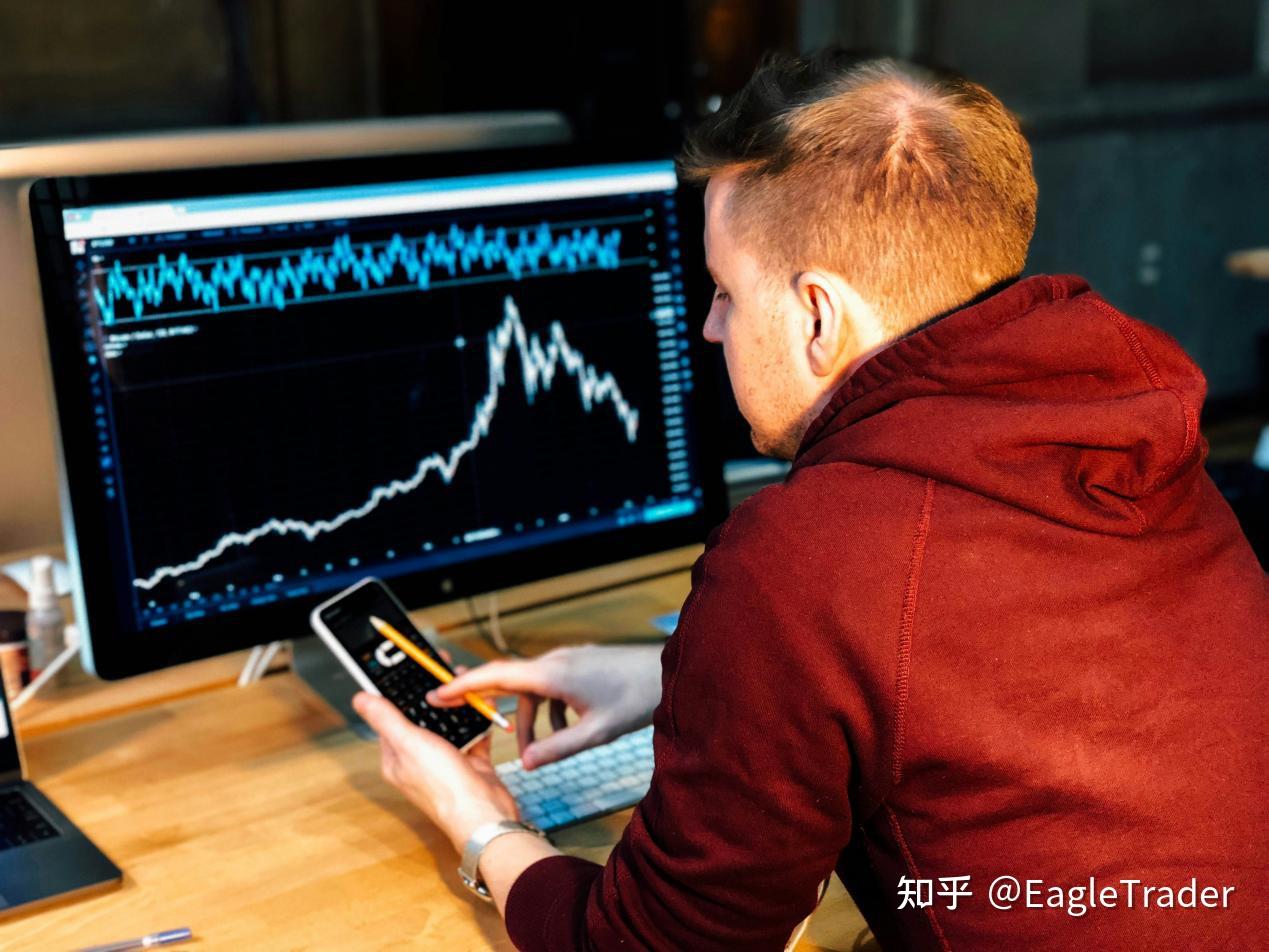
The danger of this kind of deviation is that it will allow you to use an accidental “flying” to negate the trading system you have worked hard to establish.
Once you regret missing out, your emotions may take over the next time you trade: when it’s time to take profit, you want to hold on for a while, and when it’s time to stop loss, you want to hold on a little longer.
Trying to make up for regrets by breaking plans will often lead to unnecessary large losses in the end.
Use hard boundaries to restrain impulsive behavior
So how should traders avoid this kind of mentality? Since “hindsight” is human instinct, we cannot expect to consciously overcome it during the market, but must establish an untouchable red line before the market.
In self-funded trading, the price of breaking the plan may be a shrinking account;
However, in EagleTrader’s self-operated trading assessment, the price of breaking the plan means directly triggering the elimination mechanism and completely losing the financial support provided by the platform and subsequent profit sharing qualifications.
In order to curb this human instinct, EagleTrader has set two core rules to constrain your behavior:
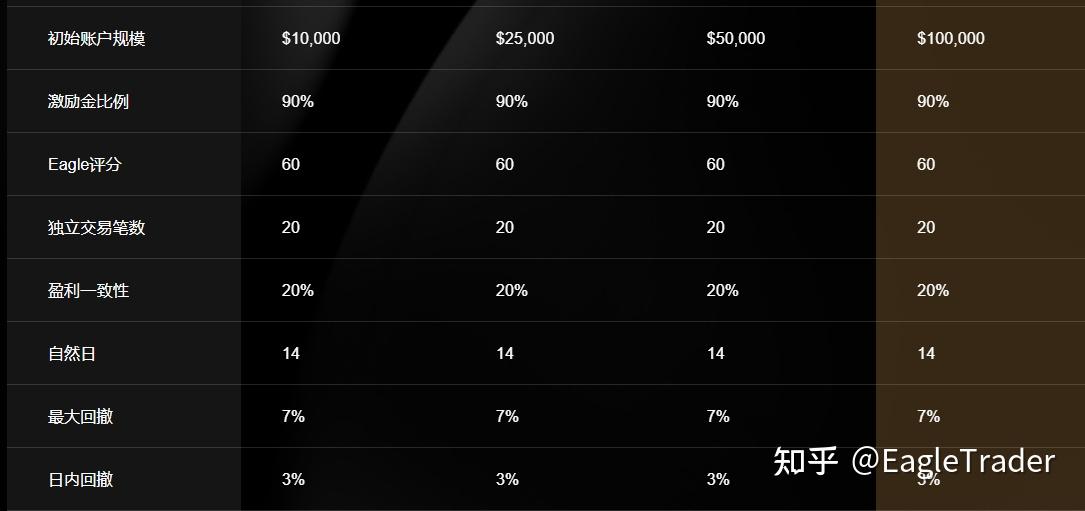
1. Drawback limit: Set an objective safety bottom line
When you are greedy because you missed the last trade and want to pursue a large position, or you are unable to get out of the game, the maximum retracement and intraday retracement limits are red lines that cannot be crossed.
Any emotional indulgence will be forcibly terminated by rules at this point.
It reminds you in the most direct way: once you cross the line, all your previous efforts will be reset to zero.
2. Consistency requirements: value long-term execution discipline
EagleTrader’s assessment mechanism is not looking for myths that can accurately find tops and bottoms, but is looking for professionals with trading consistency.
If the system sends a stop-profit signal, strictly implement it; if the system sends a stop-loss signal, leave the market decisively.
The rules require that every transaction must comply with established logic.
This mechanical consistency requirement can effectively hedge against your urge to “make up for regrets” and allow you to understand: the prerequisite for surviving in proprietary trading is to absolutely abide by the rules.
Accept imperfection and ensure the survival of your account first
Why must we accept this fixed rule? Because in the trading world, “selling out” and “being washed” are costs that the trading system must bear, while “liquidation” is the end of survival.
If you miss a wave of market trends, you just make less money, but your account is still safe;
But if you break the rules out of frustration and gamble heavily, once you go in the wrong direction, you will face elimination of your account and completely lose the qualification to continue to verify your strategy in the market.

It’s better to make less money than to eliminate it completely.
Accept the imperfection of the system and accept occasional misses. As long as your system has positive expectations, the market will never lack opportunities.
But your account funds and the number of trials and errors are limited.
As EagleTrader always emphasizes: let the account survive first, and then talk about profits.
When you want to break your plan because of a missed market, please constrain yourself with fixed rules – stick to the retracement red line and insist on transaction consistency. This is the only way for a self-operated trader to mature.