
Part-time freeriding and part-time trading: How did he pass the assessment and become a profit-sharing trader?
- 2026年11月27日
- Posted by: Eagletrader
- Category: News
In Wang Peng’s view, the decision-making of a transaction is not just as simple as judging the market direction.
When asked about the proportion of technical analysis, fundamental analysis, intuition and experience in trading decisions, he gave a rather special answer: intuition and experience account for 40%, mentality and position management account for 40%, and technical analysis and fundamental analysis account for 10% each.
Why does mentality and position management occupy such an important position? In actual trading, how does he judge market momentum, control trading risks, and gradually improve his trading system?
EagleTrader’s new profit-sharing trader Wang Peng has three or four years of gold trading experience.From initially being introduced to trading through friends, to continuously accumulating experience through self-study, and then gradually forming his own trading methods, his understanding of trading has also continued to change.
In this interview with EagleTrader, we will start from his trading judgment, risk management and career planning, and let’s learn about Wang Peng’s unique trading ideas!
1. How to judge the market and entry opportunities
When it comes to his own trading decisions, Wang Peng believes that intuition and experience do not rely solely on feeling to place orders, but are based on long-term observation of the market and accumulation of trading experience.
In actual operations, he pays more attention to the long and short momentum in the market, the flow of orders, and the games between different market participants.
He will combine the key support positions, observe the changes in the power of buyers and sellers, and then look for entry opportunities that conform to his own judgment.Rather than relying solely on news to judge the market direction, he pays more attention to the actual trading momentum shown by the market.
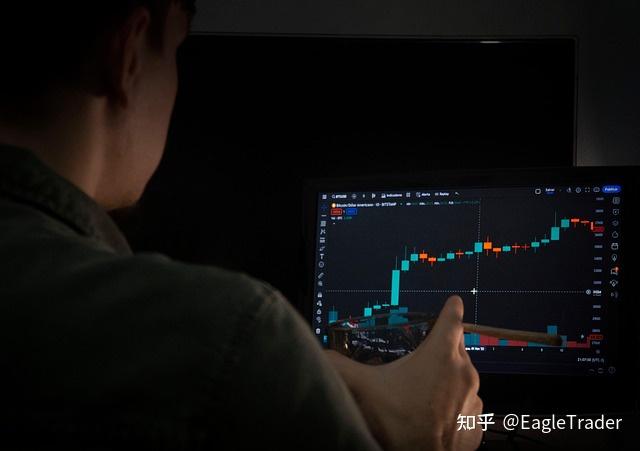
In his view, a transaction cannot only determine the direction, but also requires clear entry basis, stop loss position and target level.
“Having a target and a stop loss are the conditions for placing an order.”
This is also his basic understanding of the entry conditions.Even if you have a certain judgment about the market direction, you should not open a position easily without clear risk boundaries and trading goals.
Technical analysis and fundamental analysis are more tools to assist him in understanding the market environment, observing price structure and judging trading conditions.
2. How to allocate risks and manage positions
In the proportion of trading decisions given by Wang Peng, mentality and position management also account for 40%.This also reflects his emphasis on trading risks.
In his opinion, if you want to maintain long-term stable trading performance as much as possible, you first need to avoid opening positions randomly, and each order should meet its own trading conditions;
Secondly, it is necessary to control the position and clarify the stop loss position, and not continue to expand risks because you are unwilling to accept losses.
He has a relatively clear plan for risk allocation for a single transaction.
Assume that the risk you can bear is set to 100 points, then the expected risk for each transaction is 1/20, which is 5 points.
By spreading the overall risk across multiple trades, he hopes to keep each loss within a predetermined range.

He also has his own understanding of the luck factor in trading.”Eliminating the factor of luck is a false proposition.”
In his view, there is uncertainty in the market itself, and traders cannot completely eliminate the influence of luck.
What can really be done is to spread the bearable drawdown across multiple transactions so that a single loss is always within the planned range.
Even if you make continuous profits, you should not relax risk management; in the face of continuous losses, you should not trade frequently because you are eager to recover losses.
3. How to face losses and strategic retracements
In addition to daily position management, Wang Peng also attaches great importance to emotional control and execution discipline in trading.
If a transaction reaches the preset stop loss position, he will decisively leave the market; if he finds that there is a problem with the original direction judgment, he will correct it in time, re-observe the current market momentum, and look for new opportunities.
But if the next transaction still fails, he will choose to stop trading for the day, no longer reluctantly looking for opportunities, but first leave the market and review the problems in the day’s operation.
For large profit retracement, he will not rush to re-enter the market, but prefers to calm down for a few days and then reconsider the transaction after the state recovers.
In terms of strategic adjustments, he has also encountered problems that need to be re-examined.
Previously, he used trailing stop loss in trend trading, but several orders saw large capital retracements after the market reversed sharply.
This led him to re-evaluate the use of trailing stops and further clarify the stop loss requirements at key support levels.
For him, strategies need to be constantly tested through actual transactions. Once deficiencies in the original method are found, they should be summarized and adjusted in a timely manner instead of sticking to the rules because of past habits.
When it comes to how long it will take to return to the previous high point of net worth after a retracement, Wang Peng did not give a fixed time.
He believes that instead of focusing too much on the recovery cycle, it is better to first check whether previous transactions were out of control or obvious mistakes.
If not, continue executing according to the original strategy; if problems are found, they should be corrected in time.
Rather than rushing to catch up on the retracement, he pays more attention to whether the trading process still meets his own risk control standards.
4. Part-time trading and future career planning
At present, Wang Peng is still trading part-time and engaged in ride-hailing related work.
Although he has relatively free time to watch the market and can arrange sufficient trading time, he is not in a hurry to change the current status – in his view, whether to switch to full-time trading must be based on sustained and stable trading performance and more guaranteed income.
When talking about his preferred market environment, he said that he prefers a stable market to a more volatile market.When the market is relatively stable, traders can have more time to observe the market, and it is easier to keep a clear head and make reasonable decisions when encountering emergencies.
“Compared with huge profits and losses, steady profits are healthier for your trading body and mind.” This is also the trading philosophy he most agrees with at present.
5. New understanding of trading after passing the assessment
Taking part in the EagleTrader assessment this time is also a process for Wang Peng to re-examine his trading abilities.
During the initial and re-examinations, he paid more attention to risk control management and the execution of trading plans, and gradually realized that the key to determining long-term profits and losses often lies in the strict management of his own decision-making and execution capabilities.
After successfully passing the assessment, he gained more confidence in his trading system, became more calm when facing losses, and became clearer about the direction he needs to continue to stick to in the future.
For new traders who joined EagleTrader, he also shared his experience: “The way to trade is to look within. There is no Holy Grail in trading, only continuous improvement of oneself.”
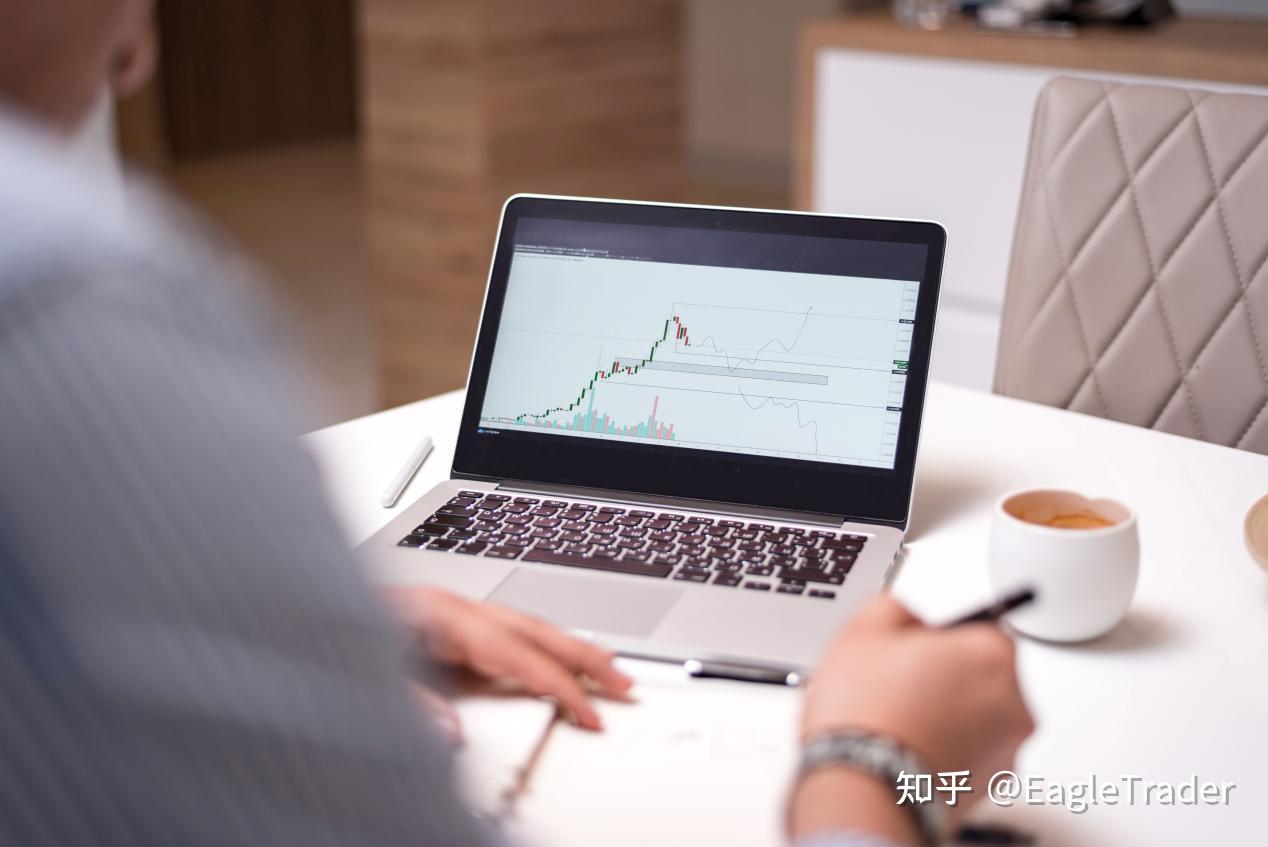
From his initial exposure to foreign exchange gold, to gradually forming his own trading judgment and risk management methods, to passing the assessment to become a new profit-sharing trader in EagleTrader, Wang Peng’s experience shows his continuous exploration of trading.
For him, there is no shortcut to trading once and for all. Only by constantly reviewing and correcting deficiencies in the changing market, and maintaining awe of risks, can we move forward more steadily and further on the road to trading.