
What exactly do the proprietary trading rules “restrict” you? Full analysis of exam rules
- 2026年5月7日
- Posted by: Eagletrader
- Category: News
When many traders first come into contact with proprietary trading, they will be strongly unaccustomed to it: when making personal firm orders, they all rely on their own heart. They can turn to institutional proprietary trading, but what they are faced with are layer upon layer of assessment rules——
From retracement red lines, profit targets to trading behavior restrictions, many traders are conflicted by the strict restrictions, and even feel that “these rules just don’t let me make big money.”
But is this really the case? Today we will dismantle the core assessment rules of proprietary trading, understand the essence behind these settings, and see what they “restrict” and what real value they can bring to traders.
<img alt="" src="https://www.hudianbaoseo.cn/uploads/allimg/20260507/1778121052411624.jpg" width="654" height = 343 The mainstream two-round assessment is divided into an initial test and a re-examination: the initial test verifies whether the trading strategy is effective, and the re-examination further tests whether the profits can be stable in the long term. Only when the standards are met in both stages can the contracting and profit sharing phase be entered, fundamentally avoiding the situation of passing the test based on luck of a single market price.
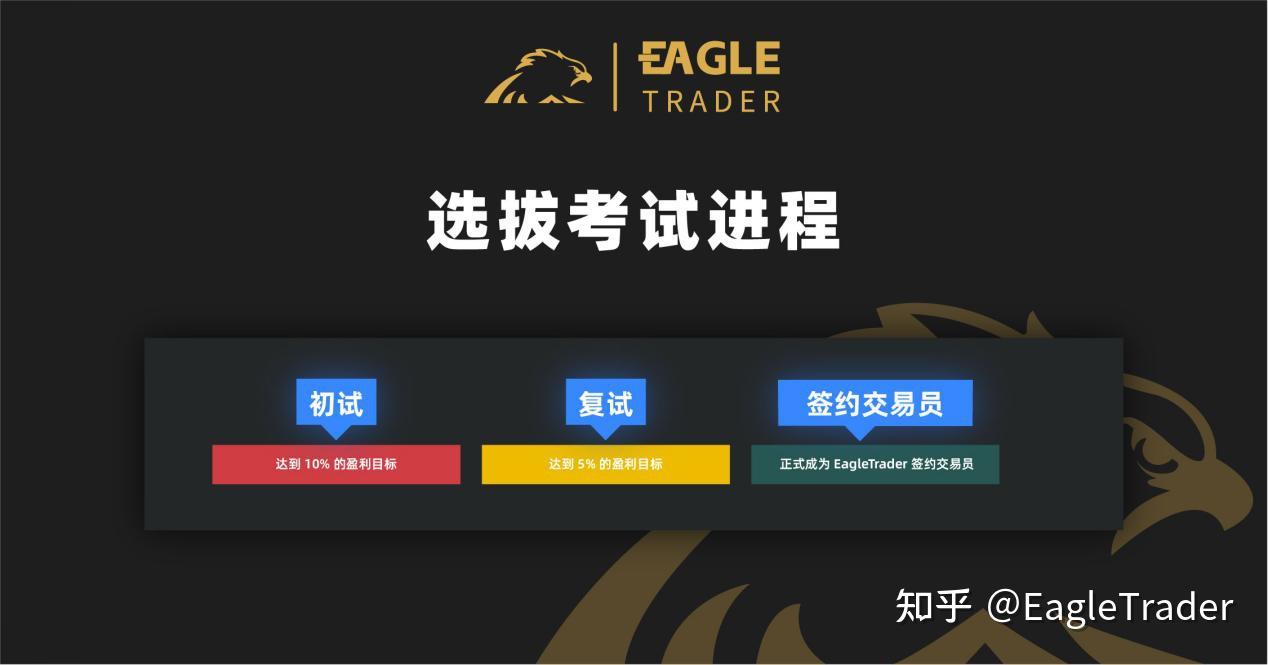
Retracement red line elimination rule: This is the core threshold for self-operated assessment. The entire industry has set two untouchable red lines——
The maximum drawdown limit of the account’s initial principal and the maximum intraday drawdown limit will immediately terminate the assessment if any one of them is triggered. There is no buffer space for “holding the order and waiting for the principal to be recovered” in the real offer.
Laddered profit target requirements: Set clear profit thresholds in stages. The initial test will focus on profitability and set corresponding goals. The retest will focus on stability and adjust profit requirements. “Betting on a wave of doubling” is not recognized.
The huge profit model only accepts sustained and replicable profit output.
Compliance restrictions on trading behavior: Speculative behaviors such as carrying orders without stop loss, holding heavy positions overnight, malicious brushing of orders, and using extreme market conditions to lock and hedge are explicitly prohibited to restrict emotionally invalid transactions and ensure the replicability of trading strategies.
Rules for contracting and profit sharing: after passing the full-process assessment, you can become a platform contracted trader., after obtaining an institutional profit-sharing account, you do not need to bear the risk of principal loss. You can enjoy a high proportion of profit sharing based on your trading ability, and realize the professional realization of your trading ability.
Domestic self-operated EagleTrader is based on this assessment model. The whole process rules are open and transparent, without any hidden thresholds. If you pass the assessment, you can become a contracted trader and unlock a high-proportion profit-sharing account, giving traders a fair and formal professional path.
<img alt="" src="https://www.hudianbaoseo.cn/uploads/allimg/20260507/1778121052113987.jpg" width="654" height = 343
The retracement red line limits desperate gambler-style transactions and helps you maintain your qualifications for long-term trading. 90% in real offer
Many of the retail investors’ positions were liquidated, all due to a misjudgment of a heavy position stud. A single mistake resulted in the loss of all principal and a complete loss of gaming opportunities.
The retracement red line is to put a “protective layer” on the transaction, forcing you to establish a scientific position management and stop loss system, which is also the core survivability of professional traders.
Profit assessment and compliance restrictions limit the chance of getting rich overnight and help you polish a replicable profit system. Many retail investors have experienced “doubling once and losing money in three months”
The core of my experience is that profit depends on luck rather than strategy.
The essence of standardized assessment is to help you distinguish luck from strength, forcing you to quit emotional and invalid trading, only seize high-certainty opportunities, and develop professional trading discipline.
Password for self-operated trading
In the final analysis, if you want to pass the self-operated assessment and become a contracted trader with a high proportion of profits, you never need advanced trading indicators or the ability to predict the market.
The core of “superpower” is only three iron rules of trading: strictly control risk control, trade with light positions, and achieve stable profits.
If you don’t focus on heavy positions and hold on to the retracement red line, you will keep all possibilities; do not trade frequently, and only do high-certainty opportunities that you can understand. Improving the winning rate is far more valuable than opening invalid orders; do not pursue getting rich overnight, steadily accumulate profits, let the trading curve be stable and upward, and time will eventually give you returns that far exceed expectations.
Those rules that you think are “restricting” you are never enemies on the trading road, but help you go further and more steadily.
If you are tired of being on tenterhooks every time you place an order and are afraid of retracement and swallowing up funds, you may wish to carefully understand the assessment rules of domestic self-operated platforms and let self-operated trading help you relieve the burden of financial pressure and improve within the rules.own trading ability. If you want to know more about proprietary trading, you can follow me and leave a message for discussion!