
Who says retail trading can’t be professionalized? Use professional standards to unlock your institutional-level trading potential
- 2026年6月3日
- Posted by: Eagletrader
- Category: News
In the financial market, countless individual investors long for wealth growth, but they often struggle between floating profits and losses, and are ultimately confused. The market is most in need of “people who think they can trade”, but there are very few people who can truly make stable profits.
The crux behind this is that most retail investors lack systematic planning and clear logic, and their trading behaviors are fragmented and mostly based on news, gossip or emotional impulses, resulting in unsustainable profits. Even if they succeed occasionally, they are difficult to copy, unable to prove their true professional abilities, and ultimately difficult to gain a long-term foothold in the market.
Dimensional upgrade of capabilities
In sharp contrast to the plight of retail investors, successful professional traders in the market do not rely on a single huge profit, but on a complete set of trading standards. This set of standards first emphasizes risk control, regards capital preservation as the first priority, and strictly controls positions and stop losses;
The second is drawdown management to ensure a stable and healthy capital curve; it is also reflected in stability, that is, under different market environments, strictly implement strategies with a calm and objective attitude, showing strong discipline;
Ultimately, all of these form the basis for its pursuit of long-term return curves. It is this ultimate requirement for comprehensive quality that has prompted more and more professional institutions to adopt the rigorous “trading ability evaluation system” as a core tool to measure traders’ professionalism and practical capabilities.
Screen for professional ability, not profit potential
Therefore, the nature of the self-operated trading examination that has emerged in recent years is by no means a simple test of who can make high profits quickly, nor is it a gimmick to promote that “examinations can make money.” What it really screens and verifies is whether traders have the professional ability to survive and develop in an institutional-level environment.
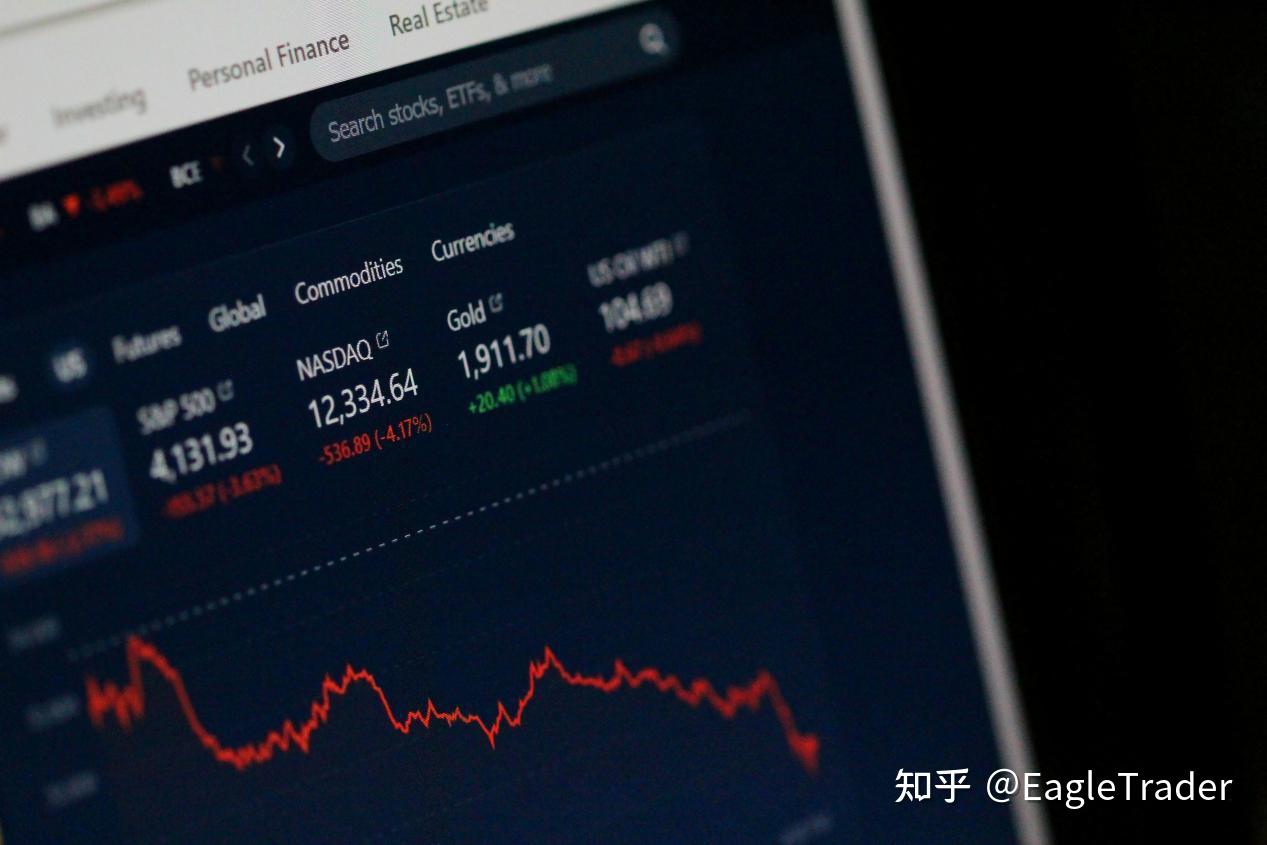
This includes: the ability to systematize, process, and execute transactions consistently; the risk control ability to strictly abide by the rules and effectively manage potential losses in simulations or real transactions; the long-term viability to adapt to different market cycles, adjust strategies, and maintain competitiveness; and the fund management ability to reasonably allocate position sizes and dynamically adjust risk exposures.
The real assessment of proprietary trading is never the ability to make huge profits, but professional ability, which also shows its core value: passing the standardThe standardized and rigorous evaluation process helps traders move from the chaotic and emotional thinking of retail investors to the standards of professional traders with clear organization and controllable risks.
Why take the Proprietary Trading Exam
The reason why the Proprietary Trading Exam has received widespread attention and attracted a large number of participants is that it fills an important gap in the financial market and provides unique value to traders at different stages.
For novices, it provides a clear growth path, allowing them to establish a systematic trading framework and risk control awareness in a rule-bound environment, and provides a ladder from scratch to professionalism.
For veterans, it provides an objective and standardized platform to quantitatively evaluate trading and risk control levels through actual performance, gain market and institutional recognition, and become a stepping stone for career development.
For those traders who have suffered long-term losses and are stuck in the quagmire, it forces them to establish real risk control disciplines, correct bad trading habits, reshape risk awareness, and lay a solid foundation for their future trading careers in the face of strict loss limits and fund management rules.
What people participate in is not a simple exam, but a set of rigorous rules, an effective mechanism, and a professional environment that truly cultivates and screens professional traders.
Exploration and practice of professional trading paths
It is under this growing demand for professional trading capabilities that some forward-looking platforms and mechanisms have emerged. Proprietary trading exams, represented by EagleTrader, are attracting more and more traders who want to develop professionally. The emergence of this model not only provides an exam, but also reflects the entire industry’s improvement in the professional quality requirements of traders, as well as the market’s trend from blind speculation to rationality and professionalism.
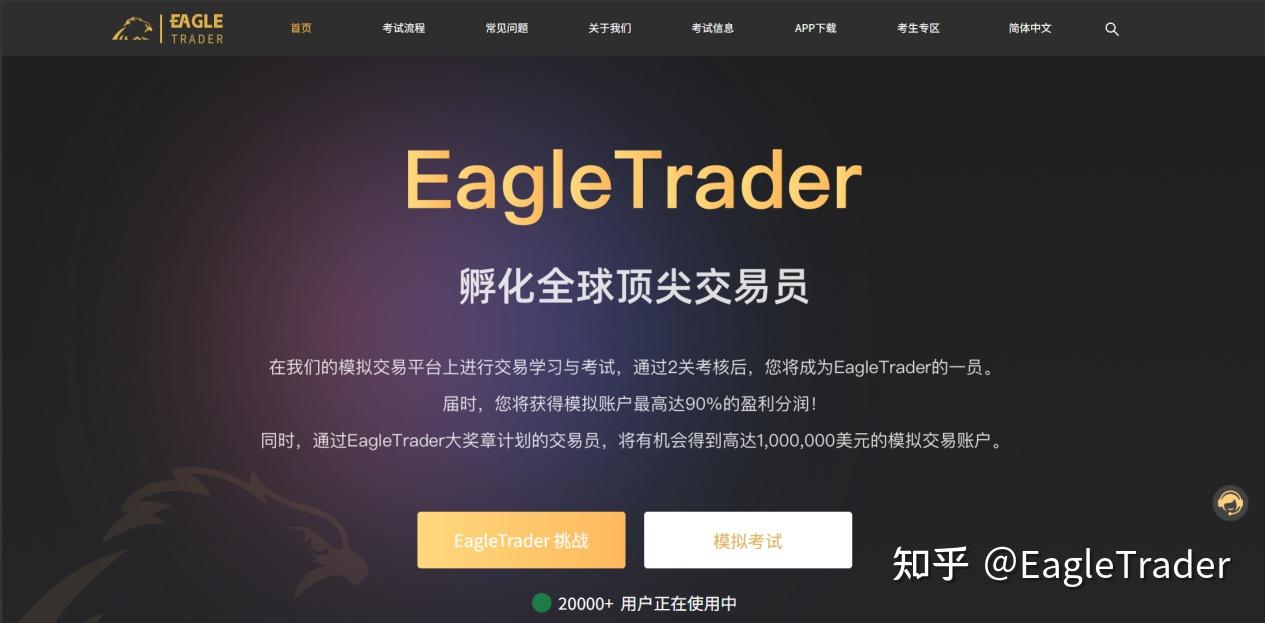
EagleTrader has built a mature evaluation mechanism, which not only tests profitability, but also evaluates traders’ long-term ability to manage funds at the core level. By simulating a real trading environment and a strict risk control system, it comprehensively examines traders’ decision-making under pressure, compliance with rules, and rational use of funds, ensuring that traders who pass the evaluation can not only make profits, but also make profits stably., and can effectively control risks.
For many traders, participating in the assessment through EagleTrader means more than just gaining recognition. It is also the first time to truly understand the “institutional level trading logic”, guiding them to jump out of the perspective of personal profit and loss, think about the balance of risk and return from an institutional perspective, and learn long-term and stable trading concepts with risk control as the core. It provides a growth platform for ordinary traders to transform into professional traders.
In this process, we always emphasize professionalism, discipline, risk control, stability, professionalism and long-termism. EagleTrader stays away from the blind pursuit of “high returns”, “huge profits” and “freedom of wealth”, and is committed to providing rigorous, transparent and fair ability verification and promotion channels for individuals who are interested in long-term development in the trading field, truly turning trading into a professional skill that can be learned and improved, and promoting the development of the industry ecology in a healthier and sustainable direction.