Why can’t I make a profit despite understanding the market? Several key issues that are easily overlooked in trading
- 2026年8月17日
- Posted by: Eagletrader
- Category: News
Many traders have had this experience: when reviewing the market, the K-line trend is clear. The trend line is drawn, the support and resistance are marked, and the corresponding positions of head and shoulders and divergence patterns can also be found. Looking at the market that has finished, it seems that every opportunity to enter the market is very clear.
But in the real trading environment, the results are completely different: the loss is stopped as soon as you enter the market, and you rush to leave the market after making a few points of profit. The direction is correct, but the account income does not increase significantly, and even losses occur.
This situation of “understanding the market but unable to trade well” troubles many traders.

Market analysis ability is only a part of trading. What really affects long-term results are transaction execution, risk control and discipline in the face of market fluctuations.
The correct answer in the review does not represent the trading opportunity in the real offer
After the market ends, market trends can always find reasonable explanations. The rise in the U.S. dollar can be attributed to expected changes in interest rates; the rise in gold can be attributed to the hedging demand behind it; and corresponding signals can also be found in technical graphics.
But in the real transaction process, every price change is full of uncertainty. You may judge that the overall market trend is upward, but you cannot accurately judge how long the correction will last; you may find a key support level, but still encounter a situation where the price briefly falls below and then rebounds quickly.
The problem for many traders is that they only focus on direction judgment. However, whether a transaction can generate profits also involves entry position, position size, stop loss setting and position period.
For example, if you are optimistic about the long-term rise of a certain currency pair, but enter the market early during a short-term correction, a normal market fluctuation may force the end of the trading plan.
The trend will not run according to the path expected by traders. The real difficulty is how to execute one’s plan amid fluctuations.
If you still lose money in the opposite direction, the problem usually occurs in the execution phase
The most difficult thing to control in trading is often not market analysis, but your own operating behavior. When making profits, they worry about taking profits and choose to leave the market as soon as they make a little profit; when losing money, they expect the market to reverse and are unwilling to stop losses as planned. Over time, small losses turn into big losses, the originally formulated trading strategy gradually lost its effect.
Many traders will make a complete plan before the market: where to enter the market, where to stop loss, and what the target is. However, after entering the market, facing real-time fluctuations, emotions can easily affect judgment: stop loss positions are constantly adjusted, profit orders end early, and risk exposure increases after continuous profits.
The trading market operates throughout the day, and opportunities continue to appear, which can easily cause traders to fall into frequent operations. However, an increase in the number of transactions does not mean an increase in profits. Excessive trading not only increases costs, but also reduces the stability of executing the trading plan.
Lack of risk control is an important factor affecting long-term trading
In addition to execution issues, risk control is also an aspect that many traders easily overlook. Leverage tools can improve the efficiency of capital use and also amplify trading results.
Some traders focus too much on profit margins but ignore the importance of position management. Even if you have a high winning rate, if a single loss exceeds the tolerance range, long-term accumulated profits may suffer a sharp retracement.
In addition, the trading results not only depend on the winning rate, but also on the profit and loss structure. If you leave the market quickly when you make a profit and continue to wait for a rebound when you lose money, even if your judgment is accurate, it may still be difficult to maintain stability in the long run.
A mature trading system needs to pay attention to: the selection of trading opportunities, the control of risk ratios, and the consistency of long-term execution.
Use professional strategies to reduce irrational factors in trading
For individual traders, long-term stable trading is not easy. The market changes rapidly and requires continuous attention to the market conditions while maintaining strict discipline and risk awareness.
Many traders have certain market analysis capabilities, but are prone to deviations in execution and risk management. This is also the value of the existence of professional strategy and follow-up communities.
Take the Eagle trader venture capital copying community as an example. By connecting different types of trading strategies, the platform allows users to understand the operating logic and historical performance of professional trading teams, and choose appropriate strategies according to their own needs.
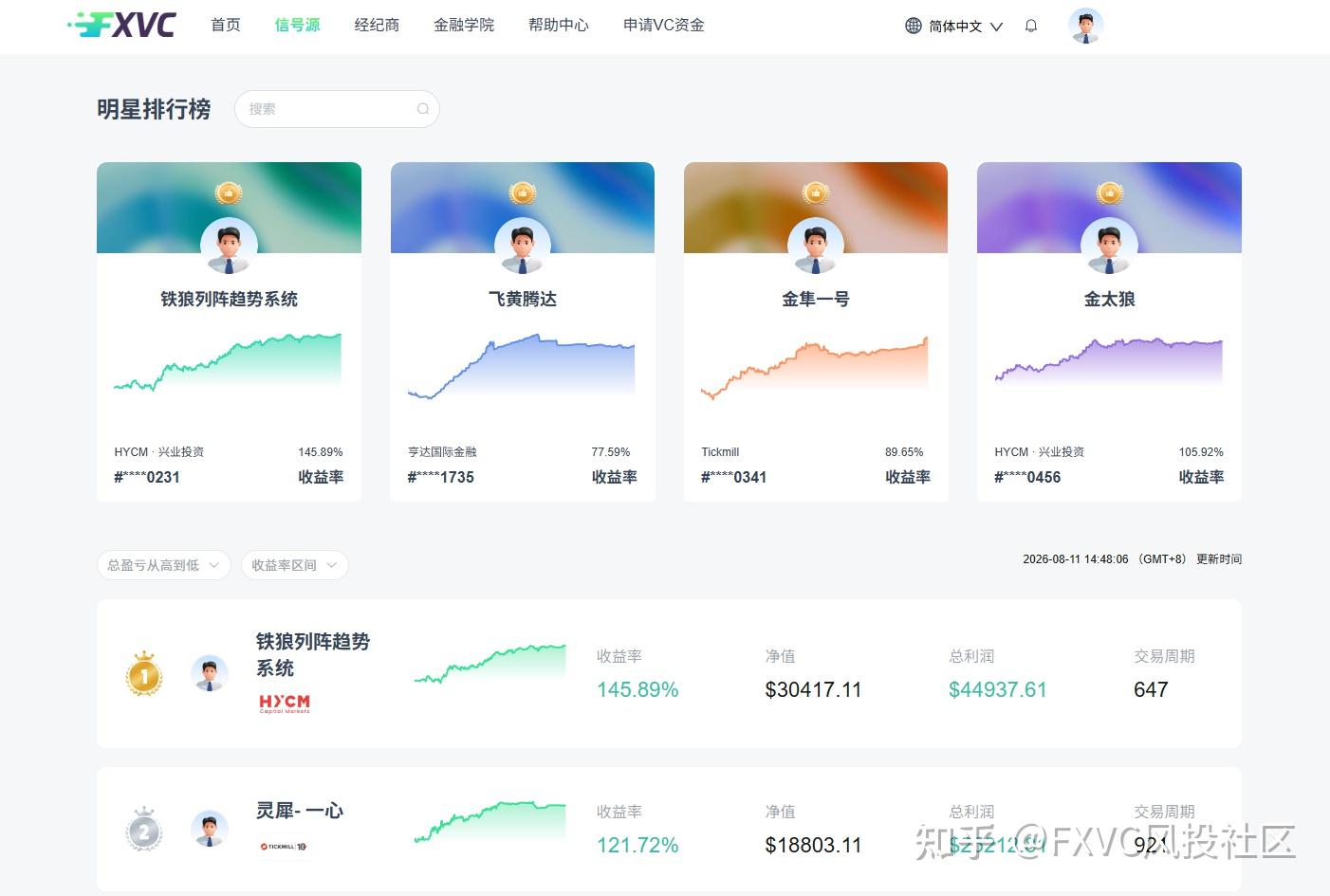
Professional trading teams usually establish relatively clear trading rules.It includes entry and exit logic, risk control methods and position management systems to reduce the impact of emotional factors on trading decisions.
For users, copying is not a simple copy of trading results, but a tool for understanding professional trading methods and optimizing strategy selection.
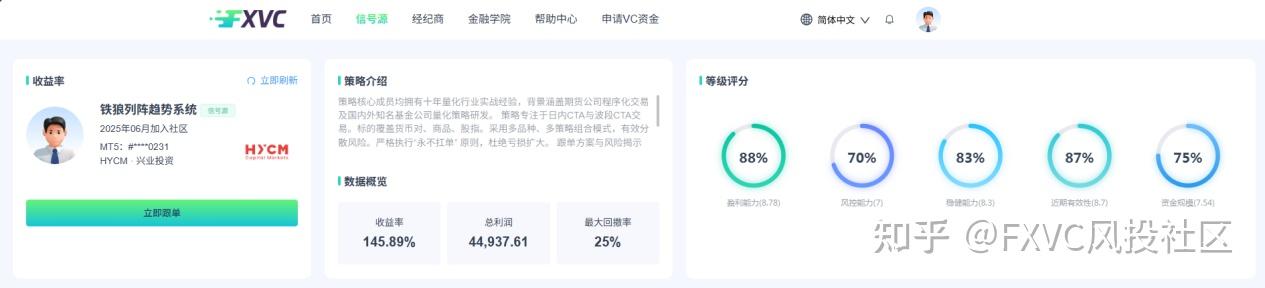
By observing and following the execution process of mature strategies, users can reduce emotional interference in personal transactions and further understand the risk characteristics of different strategies.
In the trading market, accurately judging the market is only the starting point. What truly determines long-term performance is the ability to maintain stable execution, control risks, and continuously adjust in different market environments. Understanding your own trading characteristics and choosing a method that suits you is more important than constantly pursuing to predict every market trend.
Eagle trader also hopes to help users discover more strategy options through more transparent strategy display and more efficient transaction connection methods, making the transaction process more convenient and orderly, and making stable transactions a daily possibility.